
Duck Egg Problems: Why Your Ducks Aren’t Laying
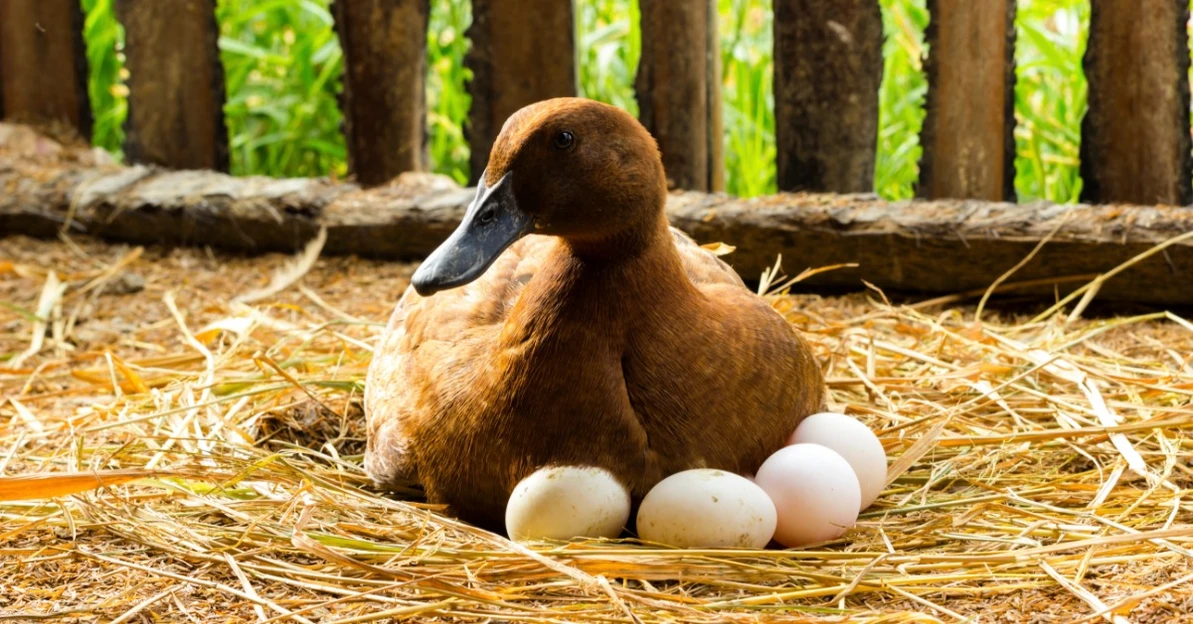
An empty nest can turn into a daily question mark. It doesn’t always mean something has gone wrong, but a change in laying is worth paying attention to. If you expect duck eggs but notice problems with laying, start by looking at what your ducks may be telling you through their normal routine. A little careful observation can help you make sense of the slowdown and decide what to do next.
Consider Their Age
Young females need time to reach laying maturity, and the point when laying begins varies with breed and nutrition. If your ducks look healthy but haven't produced their first eggs, they may simply need more time.
Age also affects ducks that have laid for years. As a female gets older, her production may gradually decline. A healthy older duck may still lay, but you shouldn't expect every bird to maintain the same schedule throughout her life.
Watch Seasonal Changes
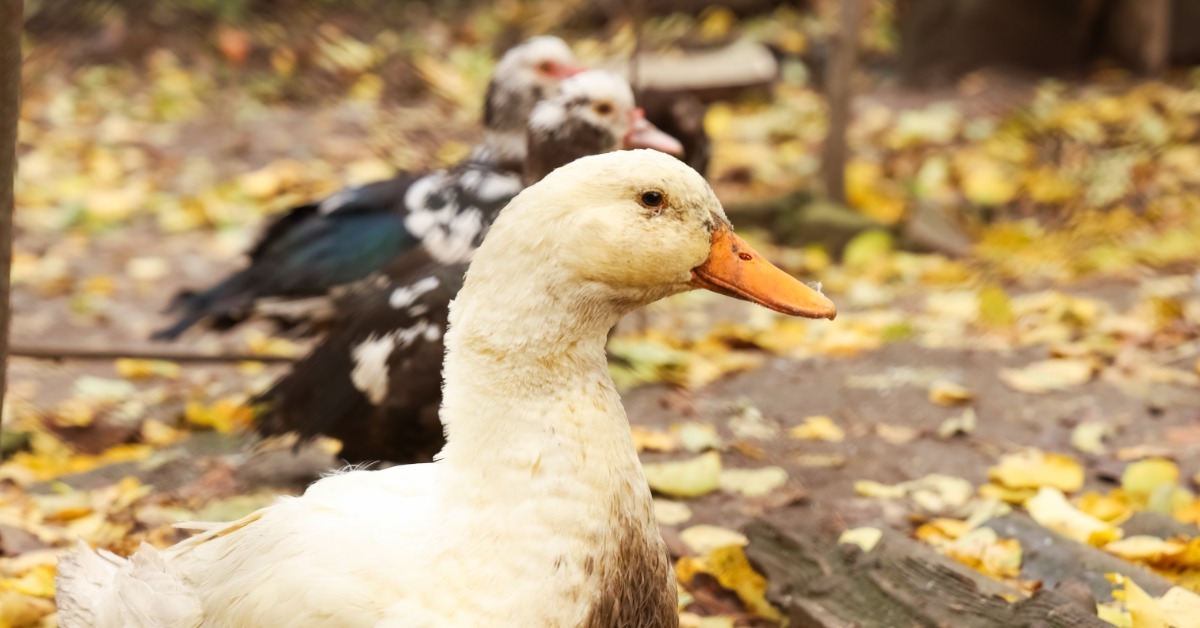
Natural daylight plays an important role in poultry reproduction, and ducks may produce fewer eggs as the days grow shorter. Therefore, a slowdown during part of the year doesn't automatically point to poor care.
Seasonal changes become especially relevant when a flock that laid reliably suddenly slows down around the same time. If the birds remain active and show no obvious health concerns, look at the calendar before making major changes. Your ducks may simply be following their natural reproductive rhythm.
Check Daily Flock Care
Once age and season make sense, take a closer look at the routine you provide each day. If you're finding few duck eggs and noticing problems with laying, small changes in care may help you identify what has shifted.
Use these simple checks as you review your routine:
- Confirm that your ducks receive feed appropriate for their species and life stage
- Keep fresh drinking water available throughout the day
- Remove wet bedding before the shelter becomes damp
- Give your flock a secure place to rest overnight
- Watch each duck closely enough to notice changes in normal behavior
Look Beyond the Nest
Sometimes your ducks are laying, but you aren't finding the eggs. Ducks with access to a yard or larger ranging area may choose quiet places that you wouldn't think of checking. A hidden nest can make production seem much lower than it is, especially when vegetation or sheltered corners give a duck plenty of privacy.
Watch where your females go during the morning rather than searching randomly later. You may notice one slipping behind a structure or settling into a secluded patch. Once you find a preferred laying spot, you can decide whether you need to adjust access or make the regular nesting area more appealing.
Consider a Natural Molt
Feather loss can give you another clue when egg production drops. During a molt, poultry redirects resources toward growing new feathers, and laying may slow or stop during that period. Veterinary guidance recognizes molting as part of the natural reproductive cycle in backyard poultry. If your duck is replacing feathers and otherwise looks well, patience may be the most appropriate response.
Support your flock with consistent care rather than trying to force production during this transition. Keep their environment comfortable and continue providing appropriate feed and water. As your ducks finish molting and other conditions become favorable, laying may resume naturally.
Reduce Unnecessary Stress
Ducks tend to thrive when their surroundings stay predictable and secure. Sudden disruptions may interfere with normal flock behavior, so think about recent changes if egg production drops unexpectedly.
Start by observing your ducks when you aren't actively interacting with them. You may spot reluctance to enter the shelter or another behavior that points toward a source of stress. Once you identify the problem, focus on creating a calmer daily routine.
Review Nutrition Carefully
A laying duck has nutritional needs that deserve more attention than a handful of treats or whatever she finds while ranging. Choose a balanced feed that's appropriate for your birds rather than relying heavily on extras that may dilute their overall diet.
If you recently switched feed and laying changed soon afterward, review the product and your feeding routine. Avoid making repeated dietary changes while you're troubleshooting because that makes the original problem harder to identify.
Know Health Warning Signs
A sudden laying change deserves extra attention when it appears alongside changes in a duck's health or behavior. You know what normal looks like in your flock, so trust your observations when one bird seems unusually quiet or uncomfortable. Don't assume every laying pause comes from age or molt when the duck herself appears unwell.
Contact a poultry or avian veterinarian when you're concerned about a duck's condition. Professional guidance becomes particularly valuable when you can't explain the change through normal seasonal or management factors. Early attention gives you a clearer path forward than experimenting with home treatments without knowing the cause.
Some changes that deserve a closer look include:
- A duck that suddenly separates herself from the flock
- A normally eager eater loses interest in feed
- Birds that seem weak or unusually inactive
- Repeated abnormal egg production when the duck also seems unwell
Prepare for Laying Again
Once your ducks resume production, develop a simple collection routine so you can recognize future changes quickly. Regular collection also helps you distinguish a true laying slowdown from eggs hidden somewhere around the property. You don't need an elaborate tracking system; consistent observation can give you useful context about your flock.
You'll also want appropriate storage and packaging once the eggs start adding up again. Duck egg cartons are made to accommodate duck eggs, which may require different sizing than standard chicken eggs depending on the birds and the eggs they produce. Choosing packaging that fits the eggs properly helps you organize them for storage or sale without forcing them into spaces that aren't a good fit.
The Egg Carton Store supports backyard keepers and small-scale egg producers with poultry resources and egg-packaging options, so explore what's available when you're ready to prepare for your flock's next round of eggs. Give your ducks steady care and you'll be better prepared to respond when the nesting boxes start filling again.
Recent Posts
-

How To Start an Egg Subscription: A Step-by-Step Guide
Selling eggs to the same customers each week can bring a welcome sense of routine to a small flock o …Sep 28th 2026 -

Duck Egg Problems: Why Your Ducks Aren’t Laying
An empty nest can turn into a daily question mark. It doesn’t always mean something has gone wrong, …Sep 4th 2026